Yahudi İzmir genellikle iki geniş kentsel bölüm üzerinden okunur.
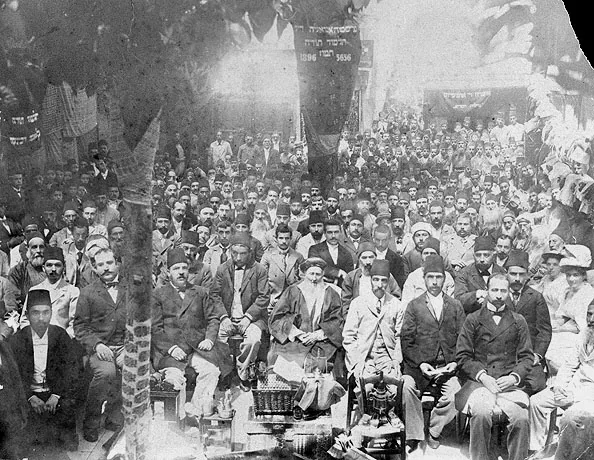
İlki, Kemeraltı ve Havra Sokağı çevresindeki Birinci Juderia, yani eski Yahudi mahallesidir. Bu bölge sinagogları, çalışma mekânlarını, cemaatin yardım yapılarını, dükkânları ve gündelik mahalle hayatını yoğun bir kent dokusunda bir arada topluyordu.
İkincisi, cemaatin bir bölümünün 19. yüzyılın ortalarından itibaren taşındığı Karataş’tır. Bu sonraki mahalle, değişen toplumsal düzeni, yeni evleri, yeni kurumları ve körfezle ve modern kentle kurulan farklı bir ilişkiyi yansıtıyordu.
- Birinci Juderia: İkiçeşmelik ve Kemeraltı, Havra Sokağı çevresi
- İkinci Juderia: Karataş, körfezin yukarısı
- Öne çıkan yapılar: sinagoglar, Hahamhane, kortijolar, Tarihi Asansör
Birinci Juderia: İkiçeşmelik ve Kemeraltı
Havra Sokağı adını, boyunca sıralanan çok sayıda sinagogdan alır. Zamanla koşer gıdanın satıldığı işlek bir çarşıya dönüştü; cemaat etini, balığını, tavuğunu, yoğurdunu, peynirini ve yumurtasını büyük ölçüde buradan alıyordu, koşer şarap da burada üretiliyordu.
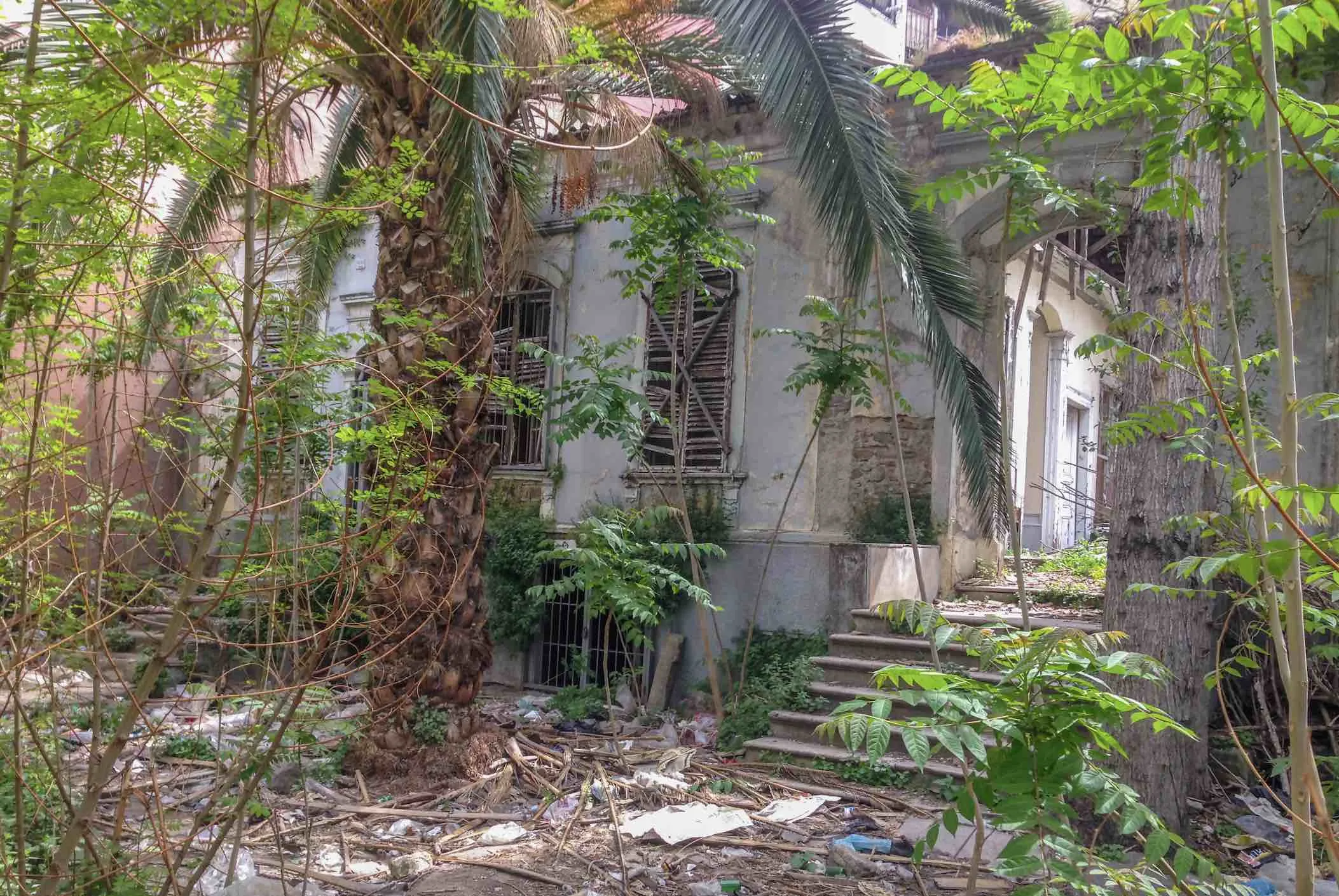
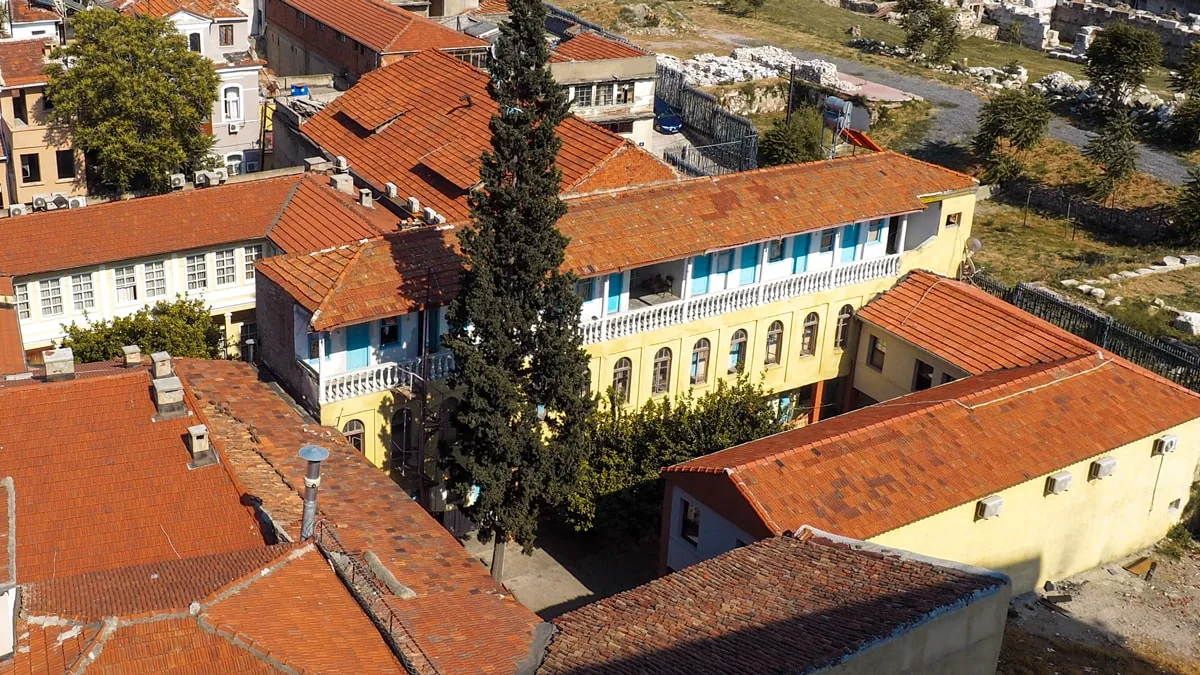
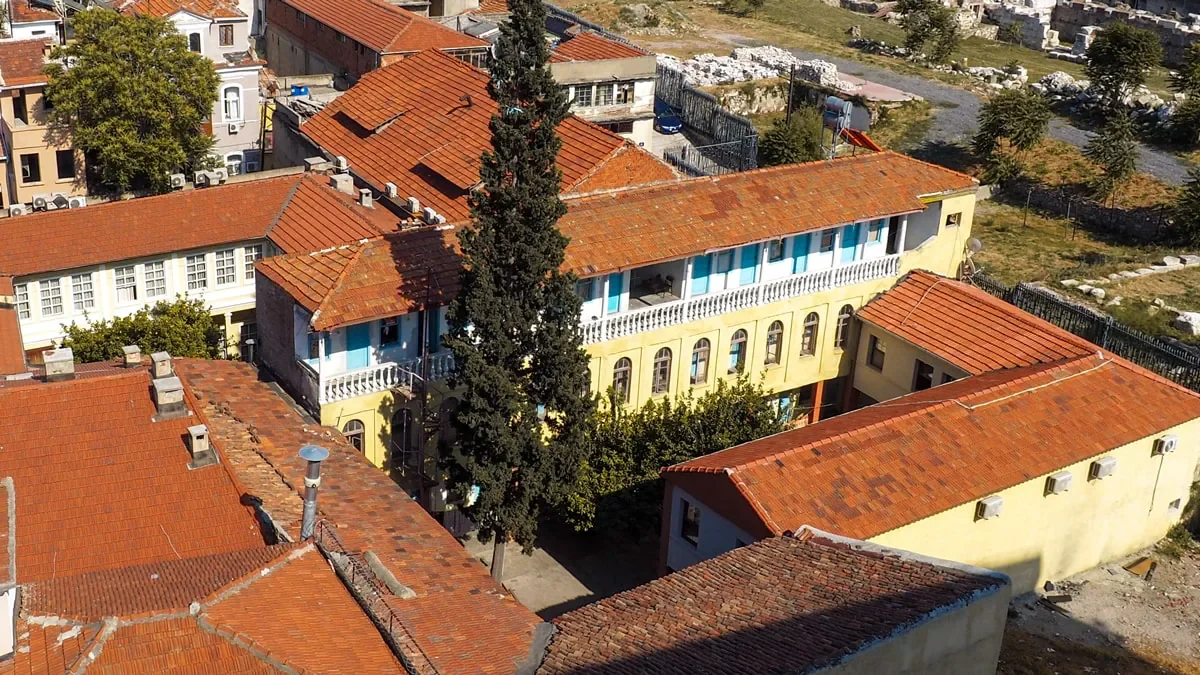
Yakınında, 1840’ta Viyana’daki Rothschild ailesinin desteğiyle inşa edilen ve o dönemde Hahambaşı Sokağı’nda duvarlı bir bahçe içinde yer alan Hahamhane binası bulunuyordu. Bina, İzmir Hahambaşılığı’nın merkezi olarak hizmet verdi, cemaatin merkez kütüphanesi ile yeşivasını barındırdı ve Pesah’ta mayasız ekmek için kendi fırınına sahipti. 1997’de boşaltıldı ve o zamandan bu yana harap durumdadır.
İkiçeşmelik’e yerleşen Sefarad aileleri, İspanyolcada kortijo, yerelde ise yahudhane olarak bilinen avlulu evler yaptı. Her birinde çeşme ya da kuyu bulunan bir merkezî avlu ve çevresinde odalar vardı; bu düzen bir azınlık cemaati içinde hem mahremiyet hem de paylaşılan bir yaşam sağlıyordu. Kortijolar kentin yemek kültürüyle de anıldı; boyoz ve şubiye gibi yerel lezzetlerle ilişkilendirildi. 1982’de kayda geçen yirmi yedi kortijodan bugün yalnızca birkaçı ayakta.
İkinci Juderia: Karataş
- yüzyılın ortalarından itibaren aileler körfezin güney kıyısına ve yamaçlarına, sonradan Karataş olarak bilinen bölgeye taşındı. Mahalle çok kültürlüydü; her biri kendi okullarına ve ibadet yerlerine sahip Yahudiler, Rumlar, Ermeniler ve Türkler burada yaşıyordu ve mahalle kimi zaman İstanbul’un Galata semtiyle karşılaştırılıyordu.
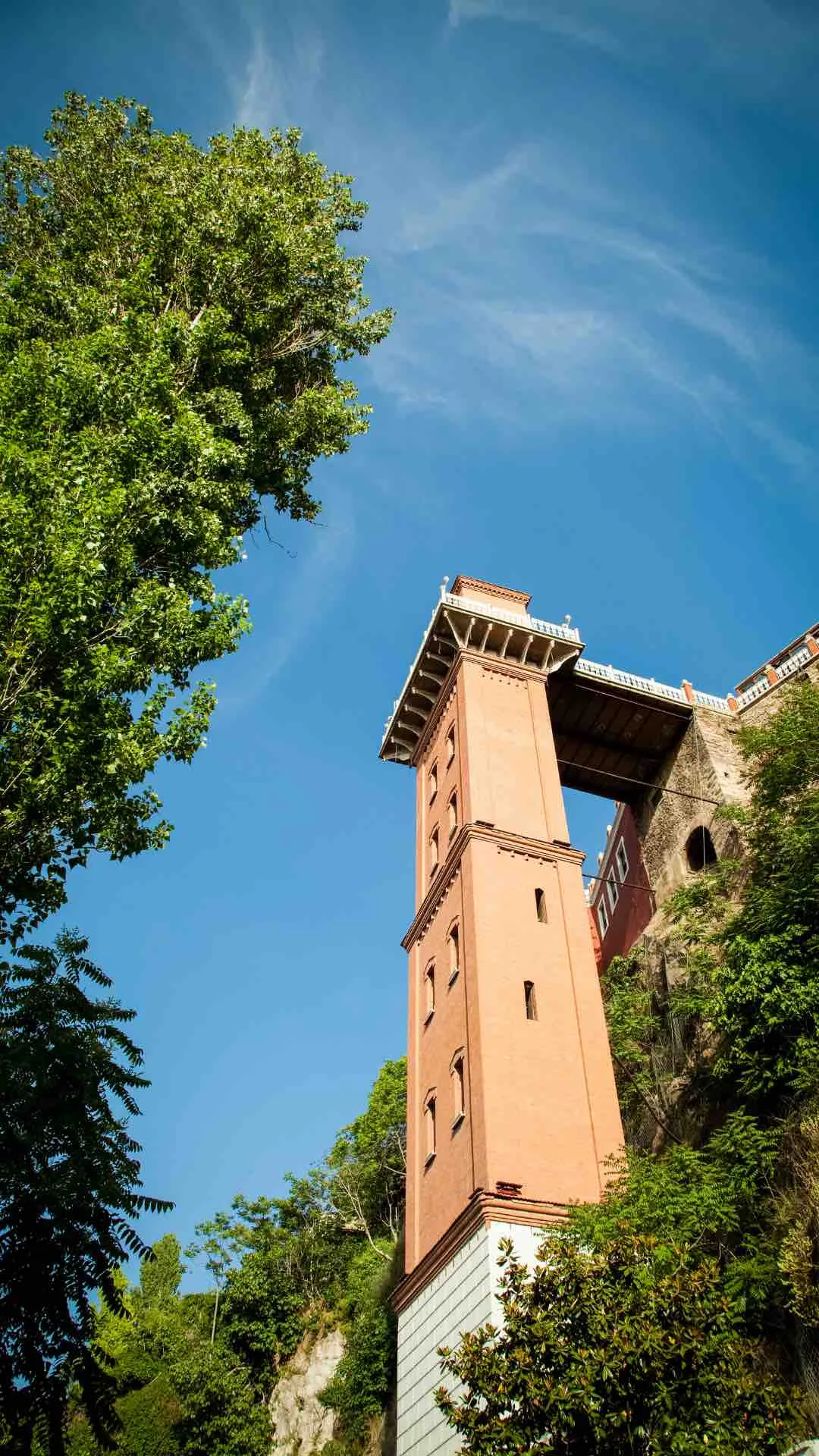
Karataş aynı zamanda cemaatin kamusal kurumlarını da barındırdı. Karataş Yahudi Hastanesi, 1914’te Nesim Levi (Bayraklı) tarafından yapılan bir bağışla kuruldu ve 1827’de eski mahallede faaliyete geçen daha önceki bir hastanenin devamı oldu. Levi ayrıca 1907’de, deniz seviyesindeki Mithatpaşa Caddesi’ni yukarıdaki tepede yer alan Halil Rıfat Paşa Caddesi’ne bağlamak üzere Tarihi Asansör’ü yaptırdı; bu kamusal asansör bugün de Karataş’ın simge yapılarından biridir.
Bu mahalleler nasıl okunur
Bu mahalleler yalnızca miras manzarası değildir. Dinî hayatın, aile hafızasının, sınıfsal değişimin, göçün ve kentsel dönüşümün üst üste bindiği yerlerdir.