
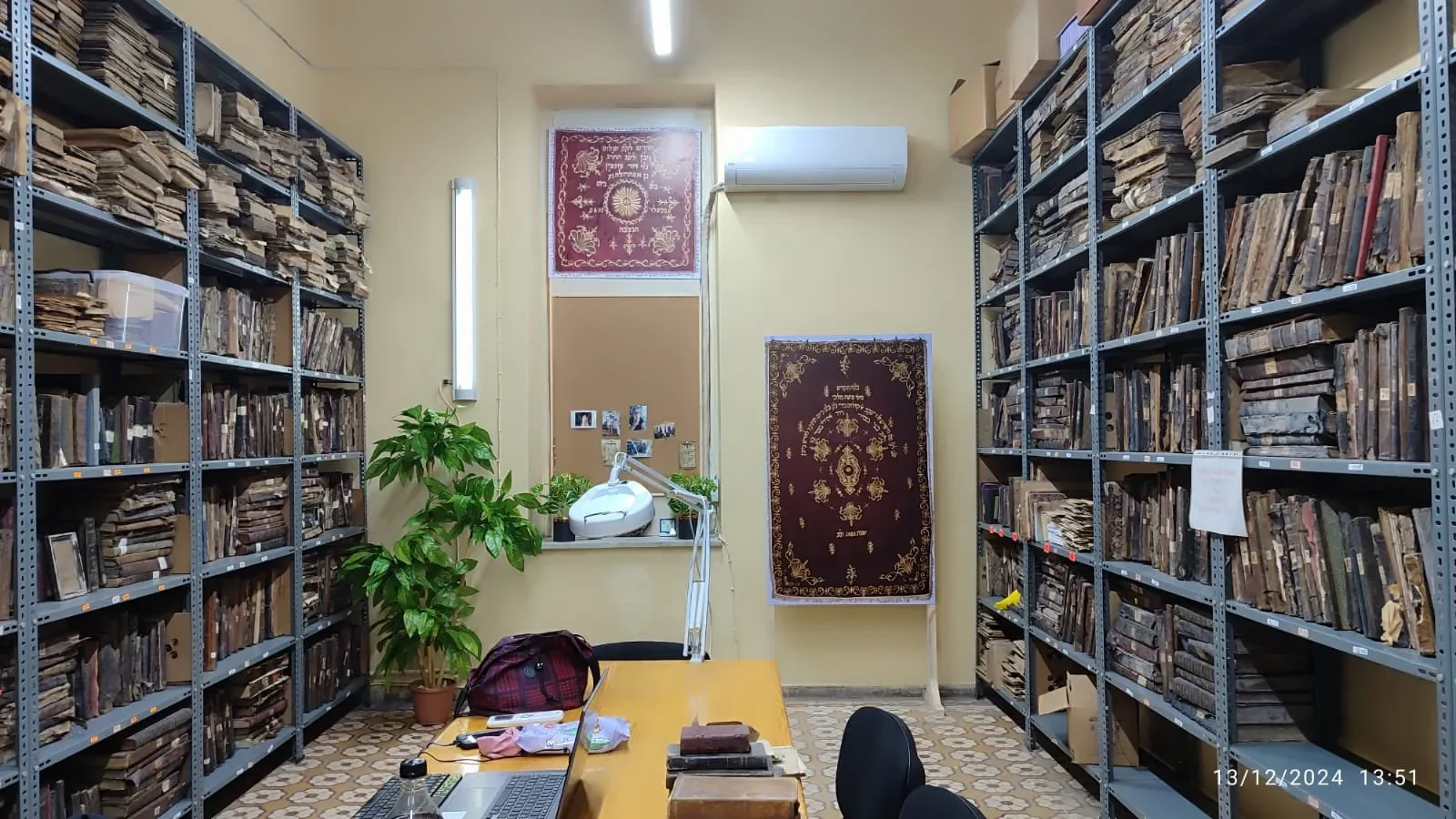
In the heart of İzmir, a rediscovered rabbinic library of nearly 2,000 volumes preserves the intellectual and spiritual life of a Sephardic community that shaped Jewish learning for centuries.
- Collection: nearly 2,000 volumes, many printed between the 17th and 20th centuries
- Content: rabbinic works, responsa, sermons, prayer books, Ladino literature, newspapers and community records
- Marginalia: handwritten notes, dedications and inscriptions identified in more than 450 volumes
- Digitization: over 630 images of annotated pages delivered to the National Library of Israel’s Ktiv platform
- Location: preserved in the former Jewish Hospital, Karataş; access by appointment
For Researchers
The Rabbinic Library of İzmir is open to visitors by appointment. Researchers, students and interested guests are welcome to request access in advance so the community can prepare materials, confirm availability and provide assistance during the visit.
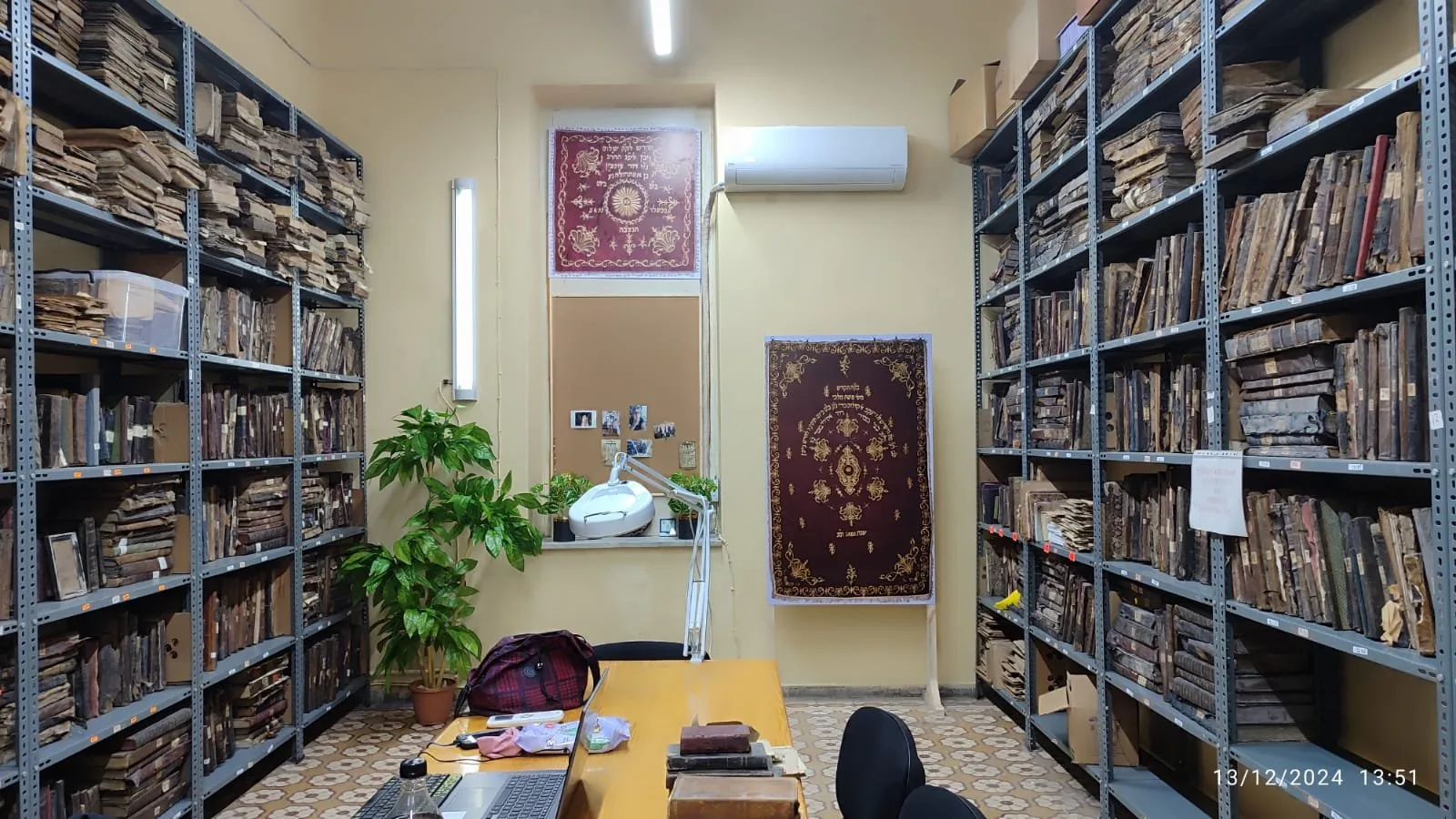
Photo Archive
A rediscovered Sephardic library
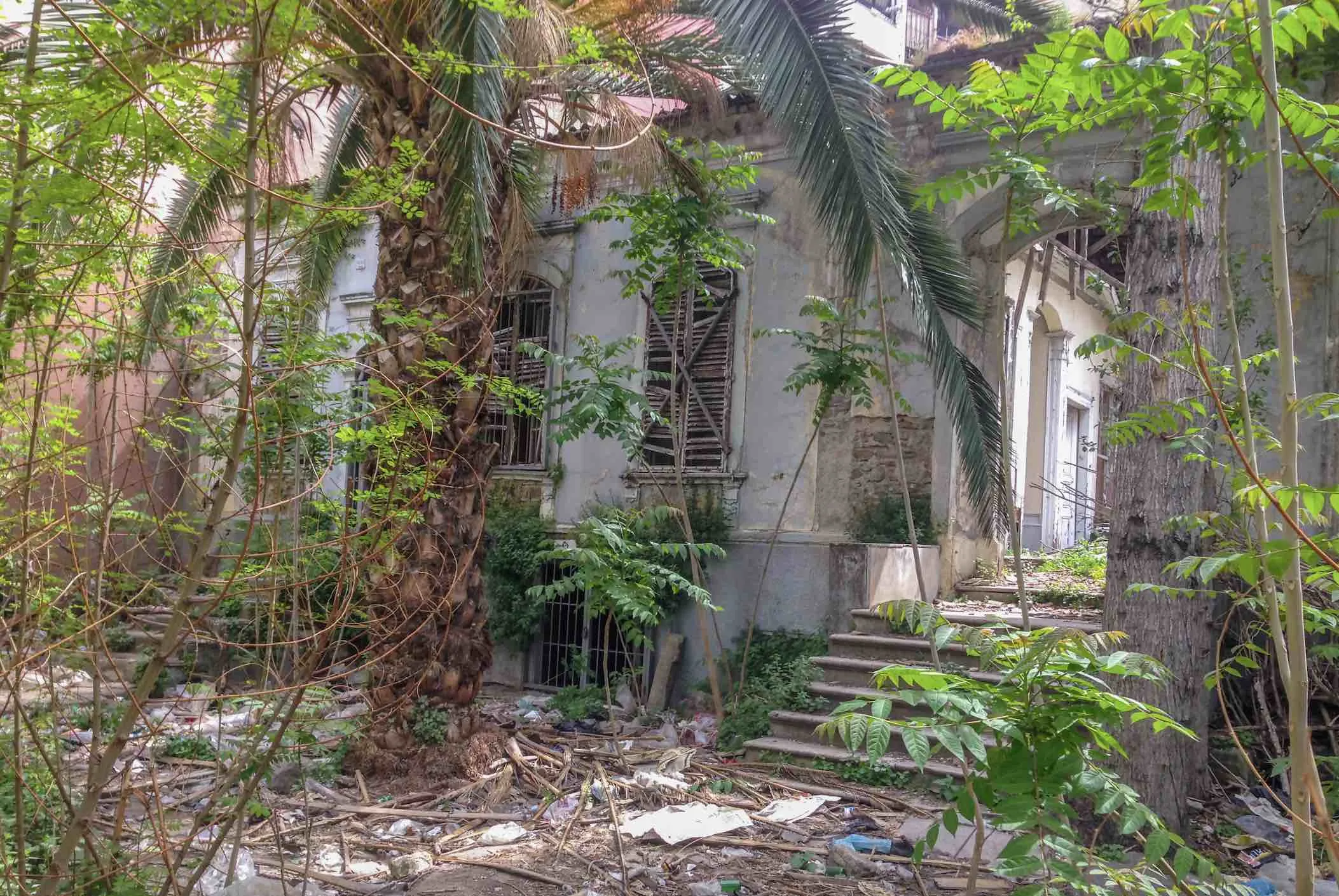
A Hidden Room In The Hahamhane
The Rabbinic Library of İzmir was found after years of neglect in the old rabbinate building. Its books had come from synagogues, yeshivot, Jewish schools and community spaces across the city.
The collection includes works printed in İzmir, Istanbul, Salonika, Jerusalem, Venice, Livorno, Amsterdam, Vienna, Prague, Warsaw and other centres of Jewish printing.
A chance discovery
The First Rescue
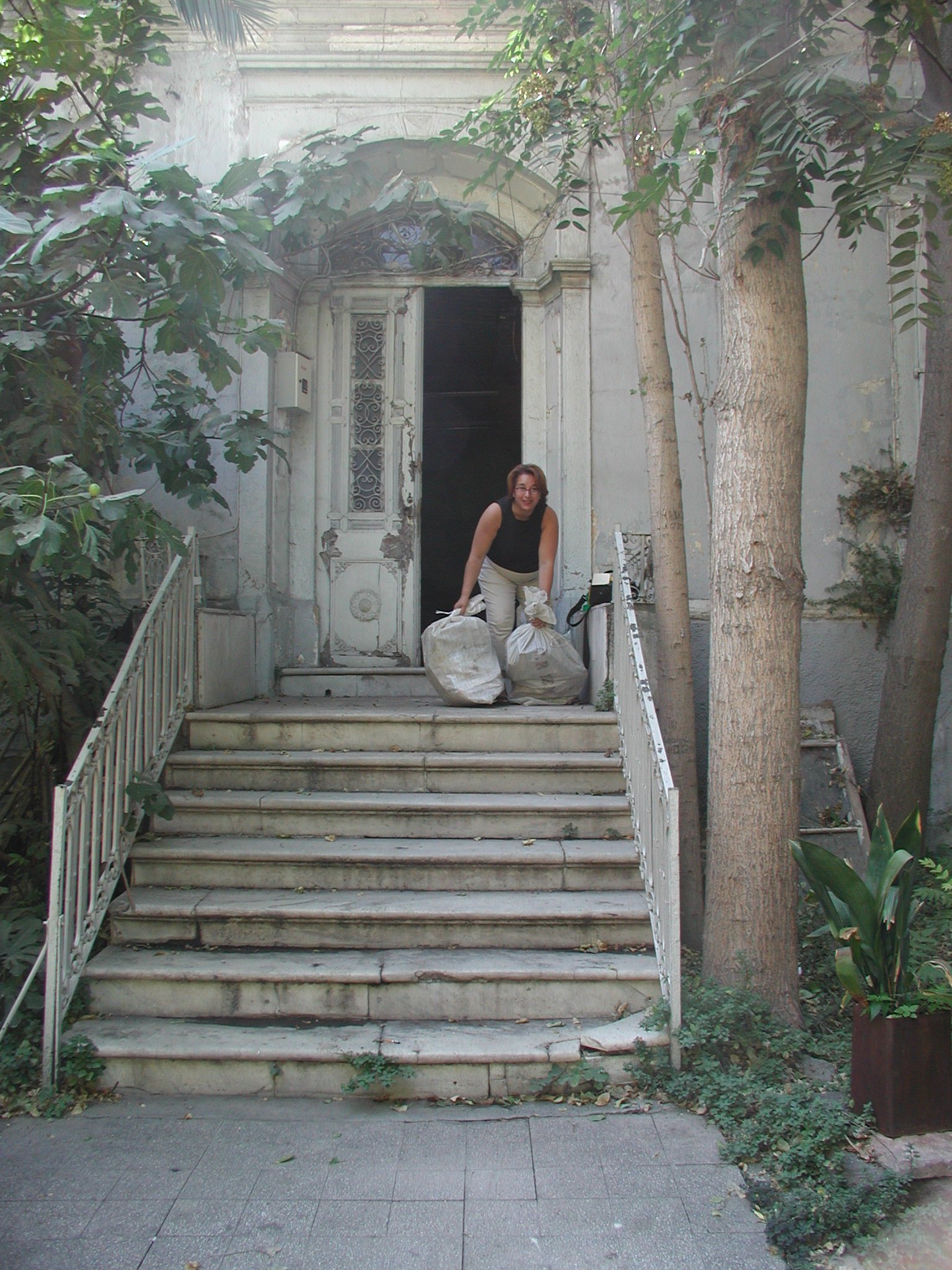
In 1999, Dina Eliezer, an educator and native of İzmir, came to help the community revive Jewish education for children. During a heritage tour, she entered a locked and deteriorating room filled with decaying books.
With the community's support, the books were moved to a safer space in the former Jewish Hospital. Over four summers, she catalogued more than 1,700 volumes.
What the books preserve
Books With Voices In The Margins
The library preserves religious texts, responsa literature, sermons, prayer books and books printed in Ladino using Rashi script.
Ownership marks, dedications, signatures, ketubot, leadership announcements and handwritten marginal notes connect researchers to the rabbis, families, students, donors and readers who used these volumes.
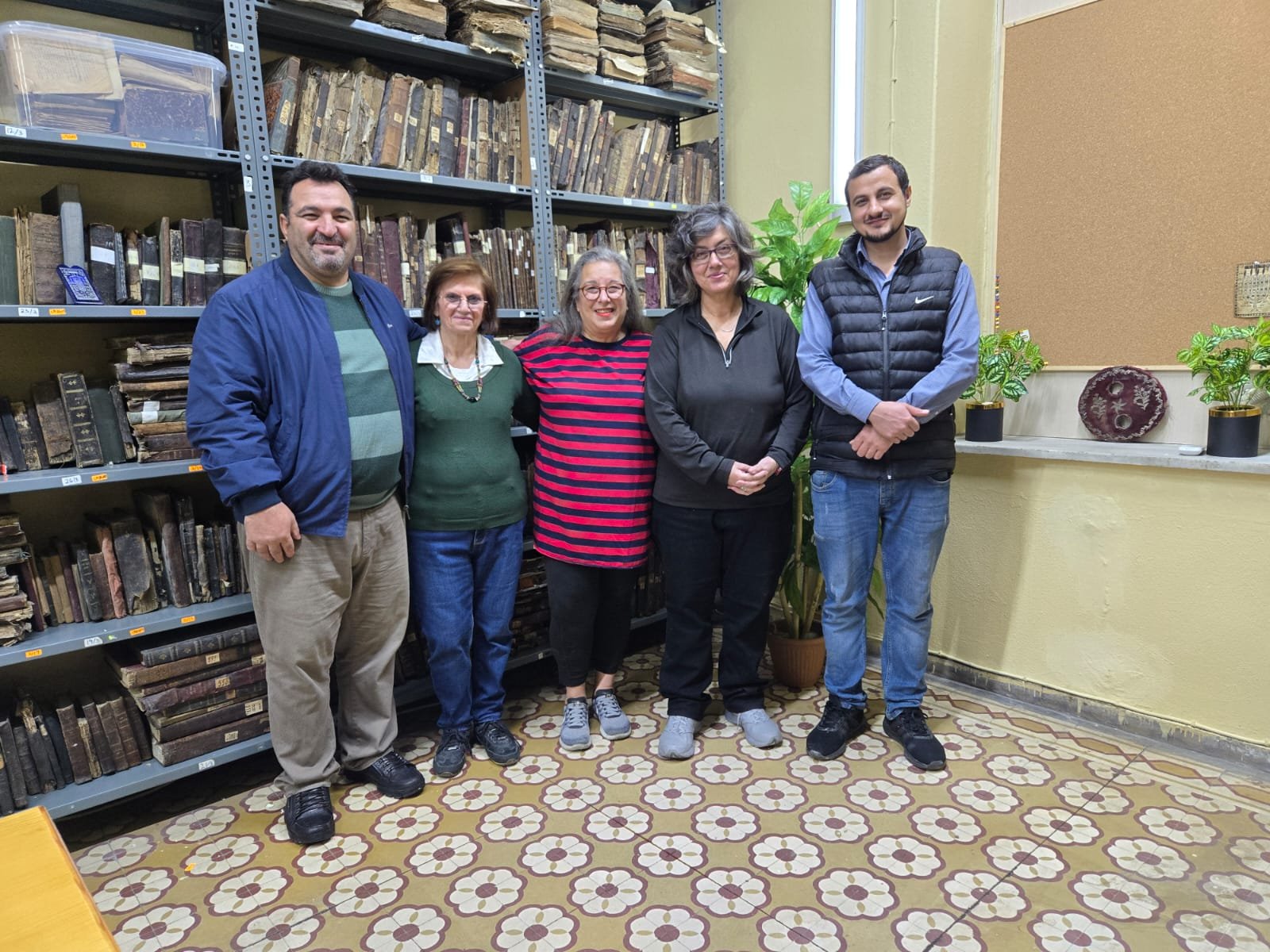
Restoration and renewal
The Library Opens Again
In 2024, Dina Eliezer returned to İzmir and helped launch a renewed preservation effort with support from the Rothschild Foundation Hanadiv Europe and the Kiriaty Foundation.
The books were professionally catalogued, security systems were installed and the collection was reorganized into thematic sections, including rabbinic works, Ladino literature, newspapers, prayer books and a dedicated marginalia archive.
Catalogue
Explore the holdings through the current downloadable PDF catalogues. These lists are a starting point for researchers and visitors preparing a request.
Video
This recorded session from the Enkontros de Alhad series features a Ladino conversation with Rachel Amado Bortnick and Dina Eliezer about the scope of the project and the personal story behind the library’s rescue. It was streamed live on 1 June 2025.